Car Shakes When Braking, Causes and What to Check First
Bethford Auto & Tire | April 29, 2026
If your car shakes or vibrates when you press the brake pedal, it is a sign that something in the braking system is no longer making smooth, even contact. This type of vibration is often felt through the steering wheel or brake pedal and is commonly linked to uneven surfaces on brake rotors, which disrupt consistent friction during braking.
While the issue may start as a mild pulsation, it can quickly become more noticeable and affect your ability to stop smoothly. Scheduling a brake inspection in Blasdell helps identify the source early and prevents additional wear on related components.
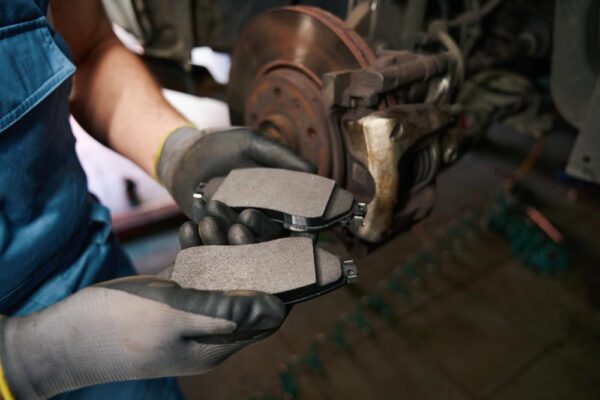
Uneven Rotor Surfaces Are a Common Cause
Brake rotors are designed to provide a smooth, flat surface for the pads to press against, but over time they can develop uneven wear patterns due to heat buildup, repeated braking, or improper torque on lug nuts. This uneven surface causes the brake pads to grab inconsistently, creating the vibration you feel during braking.
Once the rotor surface is no longer uniform, the problem tends to worsen with continued use. Addressing rotor issues early can restore smooth braking and prevent additional stress on other parts of the system. If you are unsure whether the issue is surface wear or something more advanced, reviewing common brake warning signs can help you identify the problem sooner.
Heat and Friction Affect Brake Performance
Braking generates significant heat, especially during frequent stops or driving in traffic. When heat is not distributed evenly, it can lead to hot spots on the rotor surface, which contributes to warping or thickness variation over time.
This uneven heat distribution not only causes vibration but can also reduce braking efficiency, making it harder to maintain consistent stopping performance in everyday driving conditions. In more advanced cases, this type of wear can lead to brake grinding noise, which indicates the braking system needs immediate attention.
Brake Pads Can Wear Unevenly Over Time
In addition to rotor issues, unevenly worn brake pads can contribute to vibration when braking. If pads are not making full contact or are wearing at different rates, the braking force becomes inconsistent across the rotor surface.
This uneven contact can create a pulsing sensation and accelerate wear on both the pads and rotors, making it important to inspect and replace components as a matched set when necessary.
Suspension Components Can Amplify the Issue
While the braking system is often the source, worn suspension or steering components can make vibrations more noticeable. Parts such as tie rods or control arms can transfer movement through the steering wheel when braking forces are applied.
A complete inspection ensures that both the braking system and related components are evaluated together, so the root cause is identified and not mistaken for a different issue.
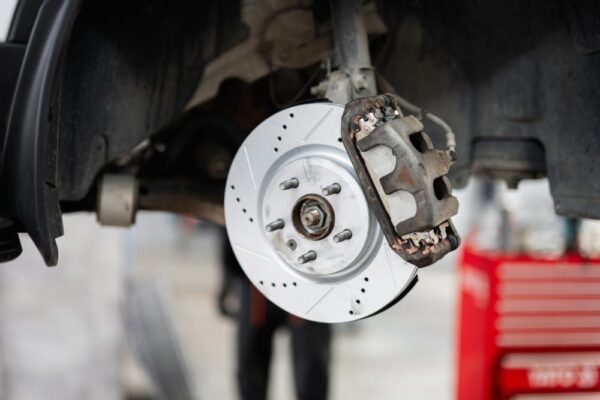
Ignoring Vibration Leads to More Wear
Driving with vibrating brakes can increase wear on multiple components, including rotors, pads, and suspension parts. What begins as a minor issue can lead to more extensive repairs if left unresolved.
Addressing the problem early helps maintain braking efficiency and prevents unnecessary strain on other systems within the vehicle.
Consistent Braking Improves Safety and Comfort
Smooth braking is essential for both vehicle control and driver confidence. When vibrations are present, it becomes harder to predict how the vehicle will respond, especially during sudden stops or in heavy traffic.
Restoring consistent braking performance improves overall safety and ensures your vehicle responds reliably every time you press the pedal.
What Brake Vibration Is Telling You
Vibration during braking is a clear signal that the system is no longer operating evenly and requires attention. It is not just a comfort issue, but an indicator of wear that can affect performance and safety.
Scheduling a brake inspection allows technicians to identify the cause, correct the issue, and restore proper braking function before the problem becomes more severe.
Car Shakes When Braking, What Drivers Need to Know
Learn what causes brake vibration, how it impacts control, and what to check before the issue gets worse.
Immediately. This is one of the most serious brake warning signs and requires urgent inspection.
Grinding can damage rotors, calipers, and other braking components due to excessive friction and heat.
No. Driving with grinding brakes can quickly damage rotors and other components, increasing repair costs.
Grinding usually means the brake pads are completely worn down and metal is contacting the rotor.
Repairs typically include resurfacing or replacing rotors and installing new brake pads to restore smooth contact.
It can be. Vibration reduces braking control and can indicate underlying damage that worsens over time.
Yes. Unevenly worn pads can create inconsistent contact with the rotor, leading to vibration during braking.
The most common cause is uneven or warped brake rotors. As the brake pads press against an uneven surface, it creates vibration.