How Do I Know If I Need Brake Repair, Warning Signs You Should Not Ignore
Bethford Auto & Tire | April 29, 2026
If you are asking whether you need brake repair, your vehicle is usually already giving you clear warning signs. The most common indicators include squeaking or grinding sounds, a soft or spongy brake pedal, vibration when braking, or longer stopping distances. These symptoms point to worn brake pads, damaged brake rotors, or issues within the hydraulic braking system.
Even if the vehicle still stops, these signs should not be ignored. Small problems tend to spread through the system, turning a simple repair into a more involved one. Scheduling a brake inspection in Blasdell gives you a clear answer and helps prevent further damage.
Squeaking or Grinding Means Components Are Worn
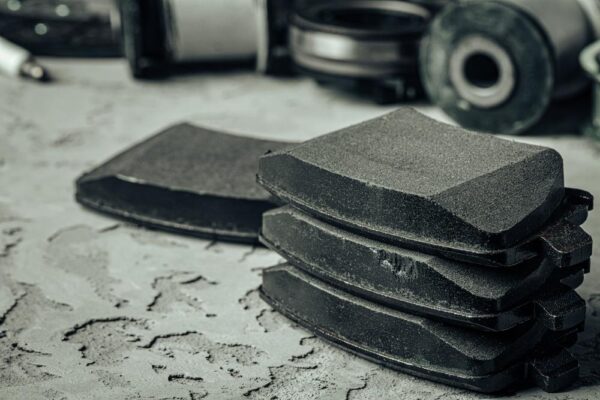
A high pitched squeaking sound is often caused by wear indicators built into brake pads, signaling that the friction material is getting low. Grinding, on the other hand, usually means the pads are completely worn down and metal is contacting the rotor surface.
Once grinding begins, damage can happen quickly. Replacing worn components early helps avoid rotor damage and keeps the braking system operating smoothly and safely. If you are already hearing grinding, it is important to understand what that noise means and when to act before the issue spreads further.
A Soft Brake Pedal Signals Hydraulic Issues
If your brake pedal feels soft, spongy, or travels farther than normal, it may indicate air in the brake lines or degraded brake fluid. The braking system relies on hydraulic pressure, and any disruption in that pressure reduces stopping performance.
This type of issue affects response time and control, making it critical to diagnose and correct before it impacts your ability to stop in emergency situations. If you are unsure how serious your symptoms are, reviewing what to look for when choosing a brake repair shop can help you make the right decision quickly.
Vibration When Braking Points to Uneven Surfaces
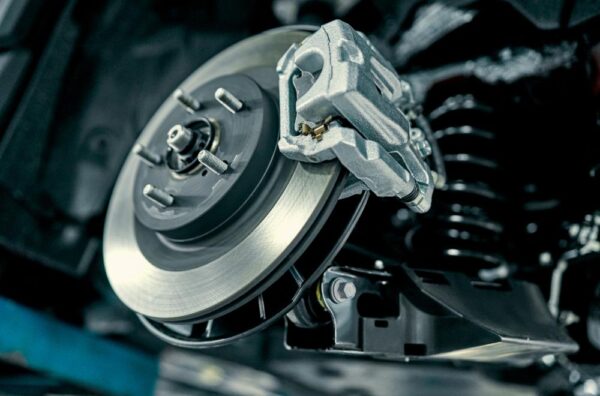
Feeling vibration in the steering wheel or brake pedal when slowing down is typically caused by uneven rotor surfaces. As the brake pads press against the rotor, any variation in thickness or surface condition creates inconsistent contact.
This leads to pulsing during braking and reduces overall smoothness and control. Addressing rotor issues early restores proper contact and prevents further wear across the system.
Longer Stopping Distance Is a Serious Warning
If your vehicle takes longer to stop than it used to, it is a direct sign that braking performance has decreased. This can be caused by worn pads, glazed rotors, or contamination within the braking system.
Reduced stopping power increases risk in everyday driving conditions. Identifying the cause early ensures your vehicle responds predictably and safely when you need it most.
Brake Warning Lights Should Never Be Ignored
Your dashboard brake warning light is designed to alert you to issues within the system, including low fluid levels or potential mechanical problems. While it may seem minor at first, it is an early signal that something needs attention.
Ignoring warning lights allows underlying issues to progress, making repairs more complex and potentially more costly over time.
Early Diagnosis Keeps Repairs Simple
Brake systems are interconnected, which means small issues can quickly affect multiple components. Catching wear early helps limit the repair to the parts that actually need attention.
Routine inspections and quick action when symptoms appear keep your vehicle stopping reliably and help avoid more extensive repairs down the road.
When to Take Action
If you notice noise, vibration, reduced stopping power, or changes in pedal feel, it is time to have your brakes checked. These signs are not random, they are direct indicators that something within the system is wearing or failing.
Getting ahead of the issue protects your safety, maintains consistent performance, and gives you confidence every time you drive.
Brake Repair Warning Signs, Your Questions Answered
Get clear answers on common brake issues, what they mean, and when it is time to schedule an inspection.
Schedule a brake inspection right away to identify the issue and prevent further damage.
Yes. Brake issues spread through the system, turning small repairs into more expensive ones if ignored.
Brakes should be inspected at least once a year or whenever you notice changes in performance.
Common signs include squeaking or grinding noises, a soft pedal, vibration, and longer stopping distances.