Brake Grinding Noise, What It Means and When to Act
Bethford Auto & Tire | April 29, 2026
A grinding noise when braking is one of the most serious warning signs in your braking system. Unlike light squeaking caused by dust or surface wear, grinding usually indicates that your brake pads have worn down completely, allowing metal components to contact the rotor.
Once that happens, your vehicle is no longer operating within safe braking conditions. If you hear grinding, it is critical to schedule a brake inspection in Blasdell immediately to prevent further damage and restore proper stopping performance.
Grinding Means the Friction Material Is Gone
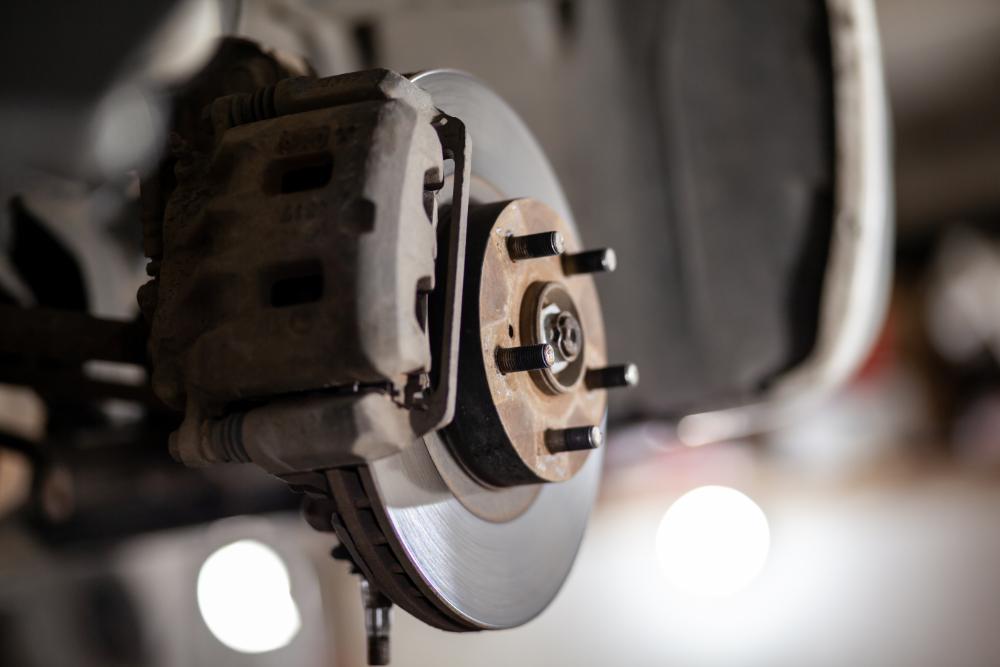
Brake pads are designed with a friction material that presses against the rotor to slow your vehicle. Over time, this material wears down due to heat and repeated braking. Once it is gone, the metal backing plate begins to grind directly against the rotor surface.
This metal on metal contact not only creates the grinding noise, but also rapidly damages the rotor, leading to uneven surfaces, reduced braking efficiency, and the need for more extensive repairs. If you are unsure whether your brakes are worn or failing, reviewing common brake warning signs can help you catch the issue earlier.
Rotor and Caliper Damage Can Follow Quickly
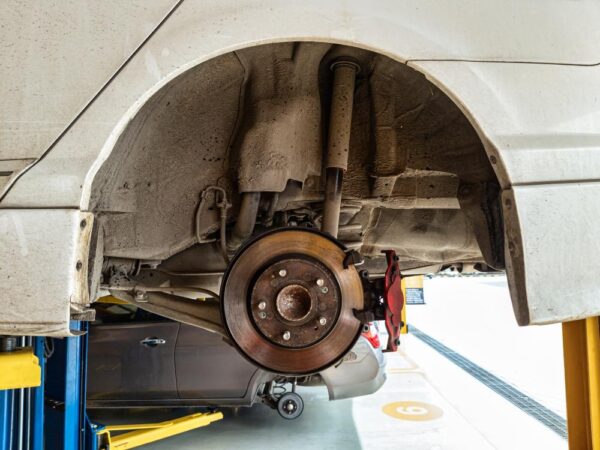
When grinding starts, the added friction and heat can affect surrounding components, including brake rotors and calipers. Rotors can become scored or warped, while calipers may begin to stick or apply uneven pressure.
Addressing the issue early helps limit the damage to just worn pads. Waiting too long often leads to multiple components needing replacement, increasing both repair time and overall cost. If you are already hearing grinding, it is important to understand how to choose the right brake repair shop so the problem is diagnosed and fixed correctly.
Stopping Distance and Control Are Affected
Grinding brakes reduce the effectiveness of your braking system. Without proper friction material, your vehicle may take longer to stop, especially at higher speeds or in emergency situations.
This loss of control can be even more noticeable in wet or uneven road conditions, where consistent braking pressure is critical for maintaining stability and safety.
Brake Fluid and System Pressure Still Matter
Even though grinding is typically caused by worn pads, overall braking performance also depends on proper brake fluid condition and system pressure. Old or contaminated fluid can reduce responsiveness and make braking feel inconsistent.
A complete inspection ensures that both mechanical components and hydraulic performance are working together, restoring full braking capability.
Timely Repairs Help Prevent Escalating Costs
Replacing brake pads at the right time is one of the simplest and most cost effective maintenance steps. Once grinding begins, the repair often expands to include rotors and additional components.
Taking action early helps keep the repair focused, reduces downtime, and avoids unnecessary wear on other parts of the braking system.
Trusted Local Service Makes a Difference
Drivers across West Seneca, Lackawanna, and Hamburg rely on consistent, accurate diagnostics when it comes to brake repair.
Working with a trusted local shop ensures your vehicle is inspected properly and repaired with the right components, giving you confidence every time you get behind the wheel.
What Grinding Brakes Are Telling You
A grinding noise is a clear signal that your braking system has moved beyond normal wear and needs immediate attention. Ignoring it can lead to reduced safety and more extensive damage.
Scheduling a brake inspection right away helps restore proper function, protects other components, and keeps your vehicle safe on the road.
Grinding Brakes, What You Need to Know Now
Find out what causes grinding noise, how serious it is, and why acting quickly can prevent costly damage.
Immediately. This is one of the most serious brake warning signs and requires urgent inspection.
Grinding can damage rotors, calipers, and other braking components due to excessive friction and heat.
No. Driving with grinding brakes can quickly damage rotors and other components, increasing repair costs.
Grinding usually means the brake pads are completely worn down and metal is contacting the rotor.