Brake Pedal Feels Soft, What It Means and When to Fix It
Bethford Auto & Tire | January 9, 2026
A soft or spongy brake pedal is one of the most concerning signs you can experience while driving because it directly affects your ability to control stopping distance and braking pressure. Instead of feeling firm and responsive, the pedal may sink lower than normal or require more force to slow the vehicle, which often indicates an issue within the hydraulic system such as air in the lines, worn components, or deteriorated brake fluid.
When braking performance becomes inconsistent, your vehicle is no longer operating as designed, especially in emergency situations where immediate response is critical. If you notice a soft pedal, it is important to schedule a brake inspection in Blasdell right away to identify the cause and restore proper braking function before the issue worsens.
Brake Fluid Condition Plays a Critical Role
Your braking system relies on hydraulic pressure to transfer force from the pedal to the calipers, and that pressure depends entirely on the condition of the brake fluid. Over time, brake fluid absorbs moisture and contaminants, which reduces its effectiveness and can cause the pedal to feel soft or inconsistent under pressure.
When fluid quality breaks down, it can also introduce air into the system or reduce boiling resistance, leading to further loss of braking performance. A proper inspection checks fluid condition, system pressure, and potential leaks to restore consistent and reliable braking response. If you are noticing additional symptoms beyond pedal feel, reviewing brake repair warning signs can help you identify the full scope of the issue.
Air in the Brake Lines Reduces Pressure
Air should never be present in a sealed hydraulic braking system, but it can enter through worn seals, leaks, or improper service. Unlike fluid, air compresses when pressure is applied, which results in a spongy pedal feel and delayed braking response.
Removing air from the system through proper bleeding restores firm pedal feel and consistent braking performance, but it is also important to identify how the air entered the system to prevent the issue from returning. In more advanced cases, reduced braking performance can lead to symptoms like vibration when braking, which indicates additional components may be affected.
Worn Components Can Affect Pedal Feel
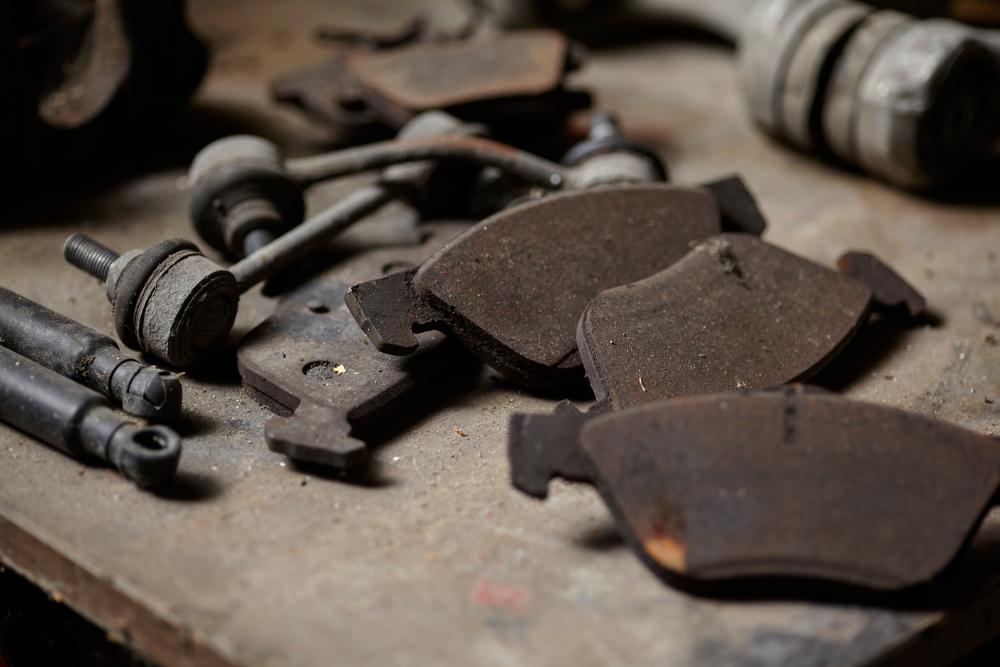
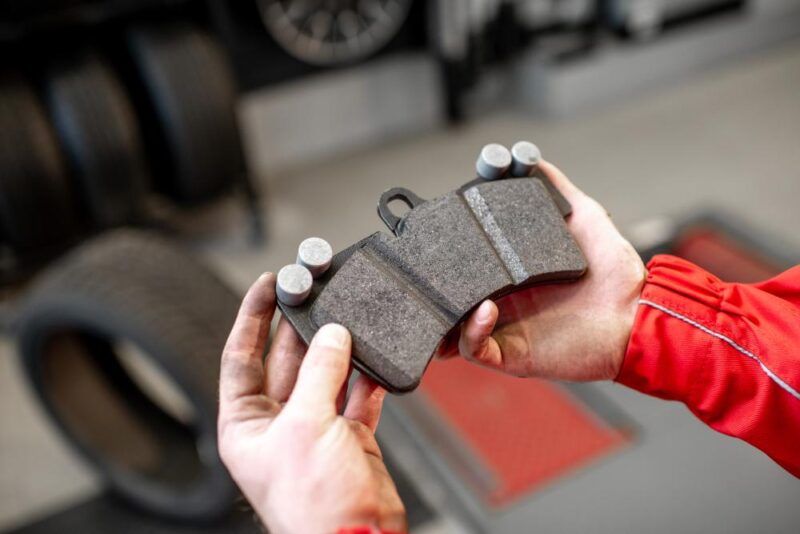
While brake fluid and air are common causes, worn components such as brake pads, rotors, or calipers can also contribute to a soft pedal. As these parts wear unevenly or lose proper contact, the system may require more travel to create the same stopping force.
This change in performance often happens gradually, making it easy to overlook until braking becomes noticeably less responsive. Inspecting all mechanical components ensures that the system is working together as intended.
Soft Pedal Means Reduced Stopping Confidence
A firm brake pedal gives you immediate feedback and control, while a soft pedal creates uncertainty in how your vehicle will respond when you need to stop. This is especially important in sudden braking situations or poor road conditions where consistent pressure is critical.
Restoring proper pedal feel improves both safety and driver confidence, allowing you to react quickly and maintain control in all driving conditions.
Early Diagnosis Prevents Larger Repairs
Addressing a soft brake pedal early can prevent more extensive damage to the braking system. What may start as a fluid issue or minor leak can lead to component failure if left unchecked, increasing both repair complexity and cost.
Routine inspections and timely repairs help keep the system operating efficiently and reduce the risk of unexpected braking issues.
Reliable Local Brake Service Matters
Drivers across West Seneca, Lackawanna, and Hamburg depend on accurate diagnostics and consistent service when it comes to brake repair.
Working with a trusted local shop ensures your braking system is inspected thoroughly and repaired correctly, giving you confidence every time you press the pedal.
Why You Should Not Ignore a Soft Brake Pedal
A soft brake pedal is a clear warning that your braking system is not performing at full capacity and requires immediate attention. Ignoring the issue can lead to longer stopping distances and reduced control when it matters most.
Scheduling a brake inspection ensures the problem is identified and corrected quickly, helping protect your vehicle, your safety, and your confidence on the road.
Brake Pedal Feels Soft, Common Questions Answered
Understand what causes a soft brake pedal, how it affects stopping performance, and when it needs immediate attention.
Fixes may include bleeding the brake lines, replacing fluid, or repairing leaks. A full inspection determines the exact cause.
Yes. Old or contaminated brake fluid absorbs moisture, which reduces pressure and responsiveness in the braking system.
No. A soft pedal means reduced braking performance and longer stopping distances. It should be inspected immediately to prevent a complete loss of braking.
A soft brake pedal is usually caused by air in the brake lines, contaminated brake fluid, or a leak in the hydraulic system. These issues reduce pressure, making it harder to stop your vehicle safely.